
 Zerkleinerte getrocknete schwarze Limetten

Aug
The Health Benefits of Spices and Their Impact on Wellbeing
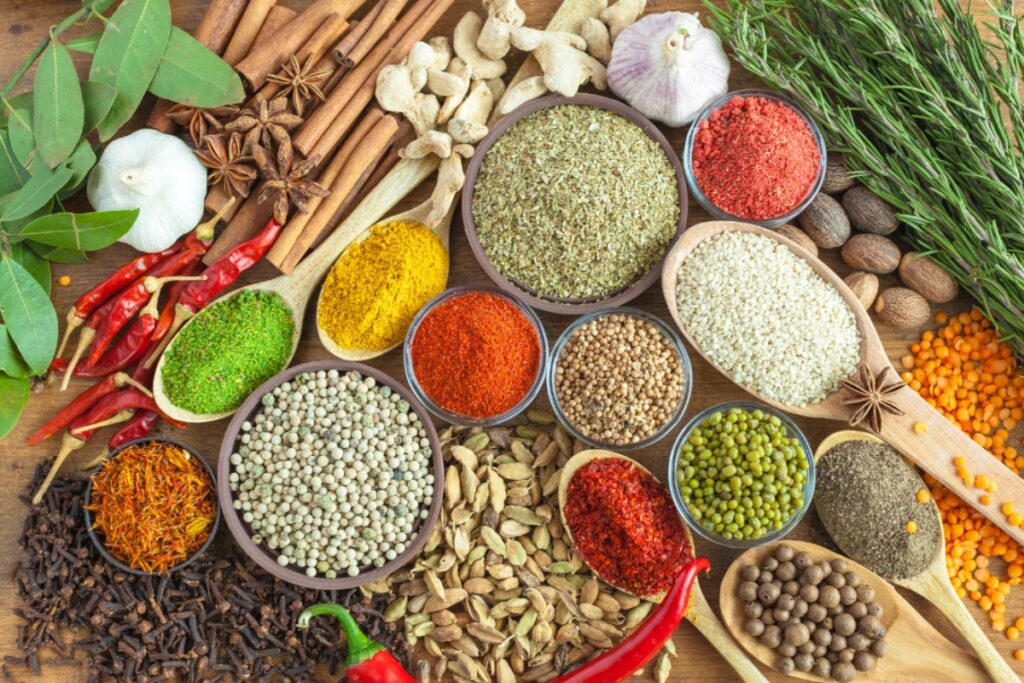
Have you ever opened your spice cabinet and been hit with a warm, delightful mix of aromas that made you smile without even realizing it? Spices are one of the most magical parts of any kitchen, a blend of color, scent, flavor, and even nostalgia. From crispy saffron rice to richly spiced chicken stews or paprika-coated roasted potatoes, many of our favorite dishes come to life thanks to these tiny, flavorful powders.
But beyond just taste and color, spices have so many amazing health benefits that once you learn about them, you’ll never look at your spice rack the same way again! In this article, we’ll go over some of the health benefits of spices, the difference between spices and seasonings, and a few fun facts you might not know:
Spices Are More Than Just Flavor
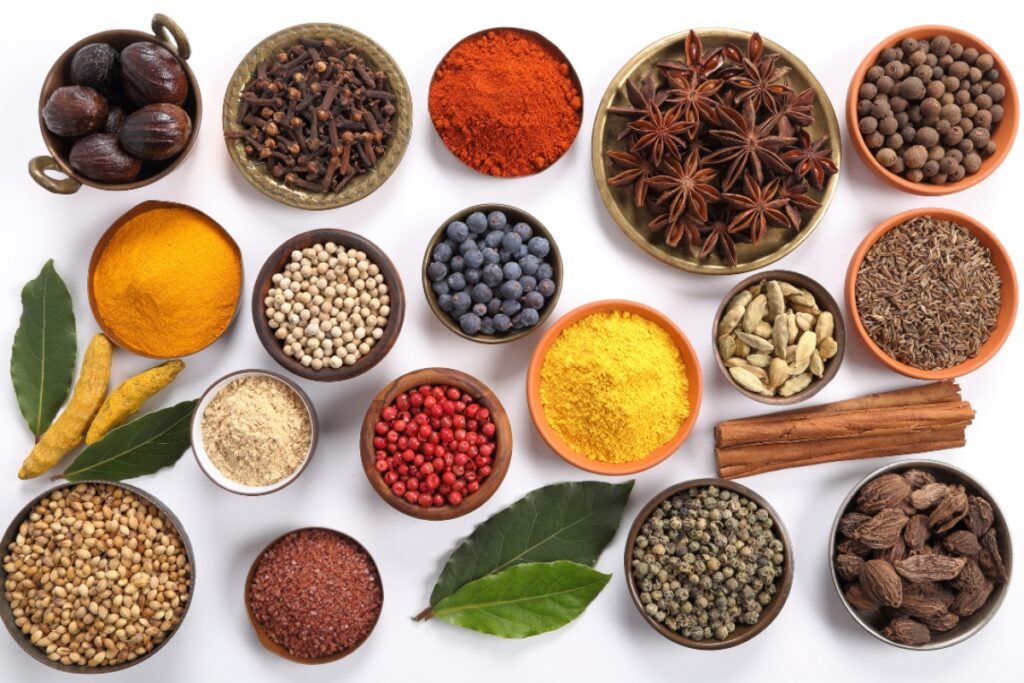
When we think of spices, we usually picture adding flavor to soup, stew, or rice. But spices are much more than flavor boosters. For centuries, people around the world have used spices for both healing and prevention of various illnesses.
Almost all spices contain natural healing properties, minerals, and essential vitamins. Some are anti-inflammatory, others are rich in antioxidants, and many help regulate blood sugar or cholesterol levels.
The Health Benefits of Popular Spices
Let’s take a closer look at some of the most commonly used spices and how they can benefit your health:
- Saffron: Packed with antioxidants, saffron is known for improving mood and has been shown to help reduce symptoms of mild to moderate depression. It’s also good for heart health, better sleep, and easing menstrual cramps. Saffron contains a compound called crocin, which is believed to have antidepressant effects. Its antioxidant power even surpasses that of many fruits!
- Curry Powder: Curry is a blend of several spices, and its benefits include anti-cancer properties, aiding digestion, boosting the immune system, and reducing inflammation. It’s also great for your liver and skin.
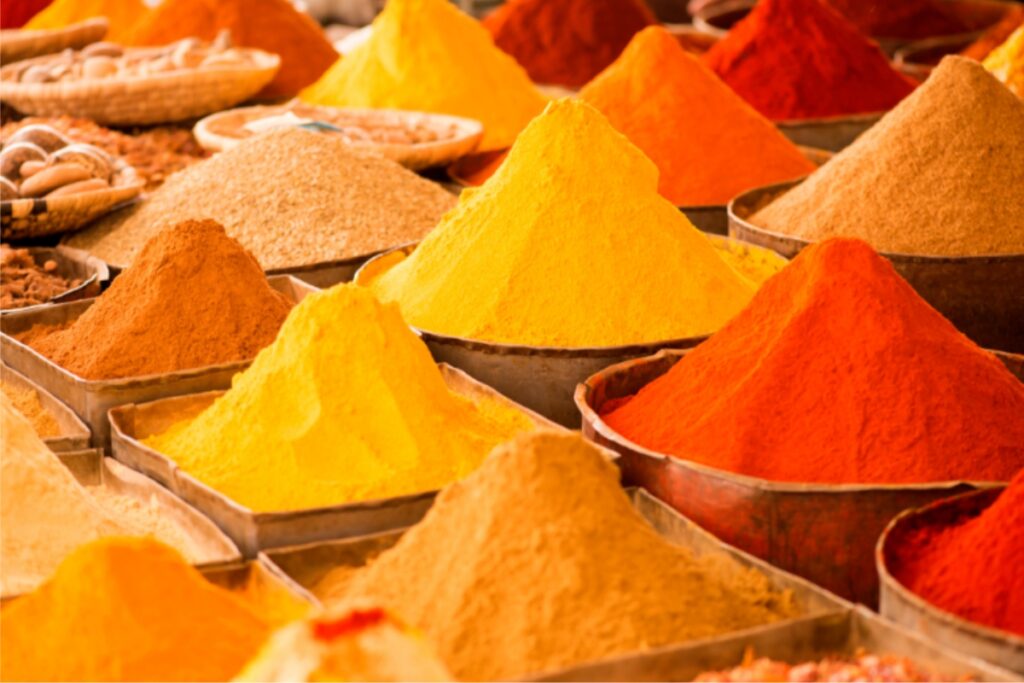
- Turmeric: Curcumin, the active compound in turmeric, is a powerful anti-inflammatory agent. Both traditional and modern medicine use it to help with joint pain, digestive issues, and more. To boost curcumin absorption, pair turmeric with black pepper, thanks to piperine, black pepper increases curcumin absorption by up to 2,000%!
- Black Pepper: It’s not just about the heat! Black pepper is rich in antioxidants, supports digestion, and has antibacterial properties. As mentioned above, piperine helps your body absorb nutrients more efficiently, especially those found in turmeric.
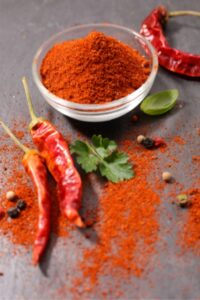
- Paprika: A great source of vitamins C, A, and E. Paprika is anti-inflammatory and can support healthy eyes, skin, and the immune system.
What’s the Difference between Spices and Seasonings?
You might be wondering what exactly sets spices apart from seasonings, and why sometimes they seem to overlap. Here’s the answer:
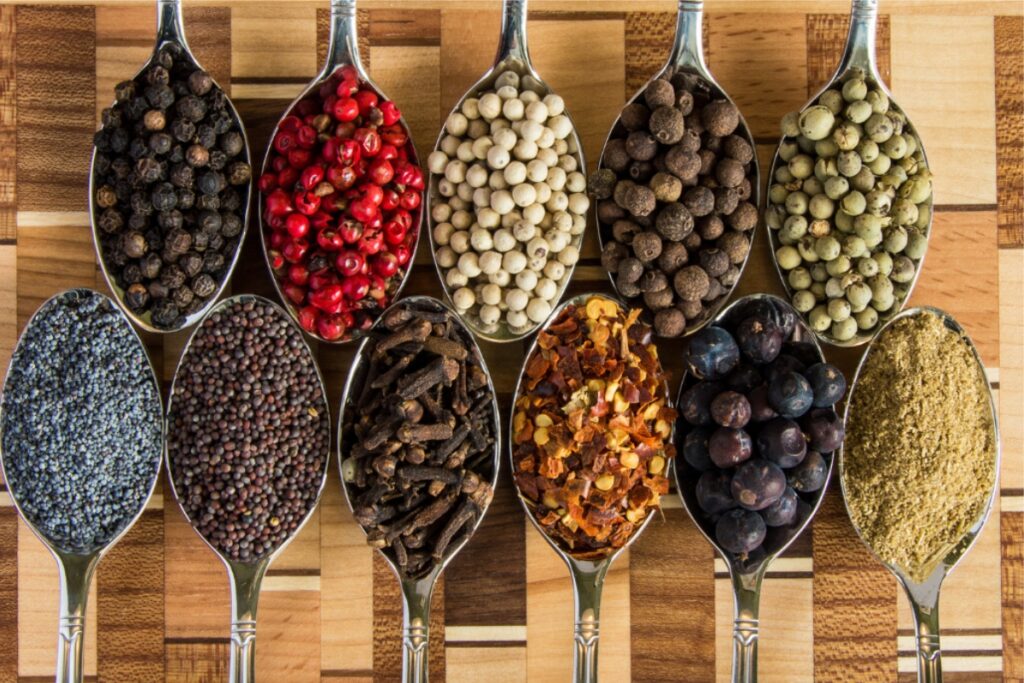
Spices are usually made from dried parts of plants such as seeds, roots, bark, or flowers. Think of cinnamon, pepper, ginger, cloves, turmeric, and so on. They mostly influence the aroma of a dish.
Seasonings refer to ingredients used primarily to enhance flavor, like salt, sugar, vinegar, lemon juice, or sauces. But some spices like thyme, pepper, and mixed spice blends are often called seasonings too. In short: seasonings affect the taste, while spices usually affect the smell of a dish.
So, while many spices are also considered seasonings, not all seasonings are spices!
Interesting and Scientific Facts about Spices
- Cardamom has antibacterial properties and is used in some cultures to freshen breath and prevent tooth decay.
- Ginger is a natural remedy for nausea and motion sickness.
- Paprika is rich in antioxidants, some studies even suggest it’s more powerful than blueberries in certain forms!
- A study published in Phytotherapy Research found that a daily dose of 30 mg of saffron could rival the effects of the antidepressant fluoxetine. Of course, saffron (like any food or supplement) should be consumed mindfully and in moderation.
Fun Spice Facts
- In the Middle Ages, spices like black pepper were so valuable they were used as currency! A sack of pepper could be worth more than gold.
- The “Spice Route” was a famous trade path connecting East and West. It helped shape port cities and build empires.
- The Romans used saffron not just for cooking, but also to scent their clothes and baths.
- In India, curry powder isn’t just a kitchen staple, it’s also part of Ayurvedic medicine, used for centuries to balance the body and mind.
In Conclusion:
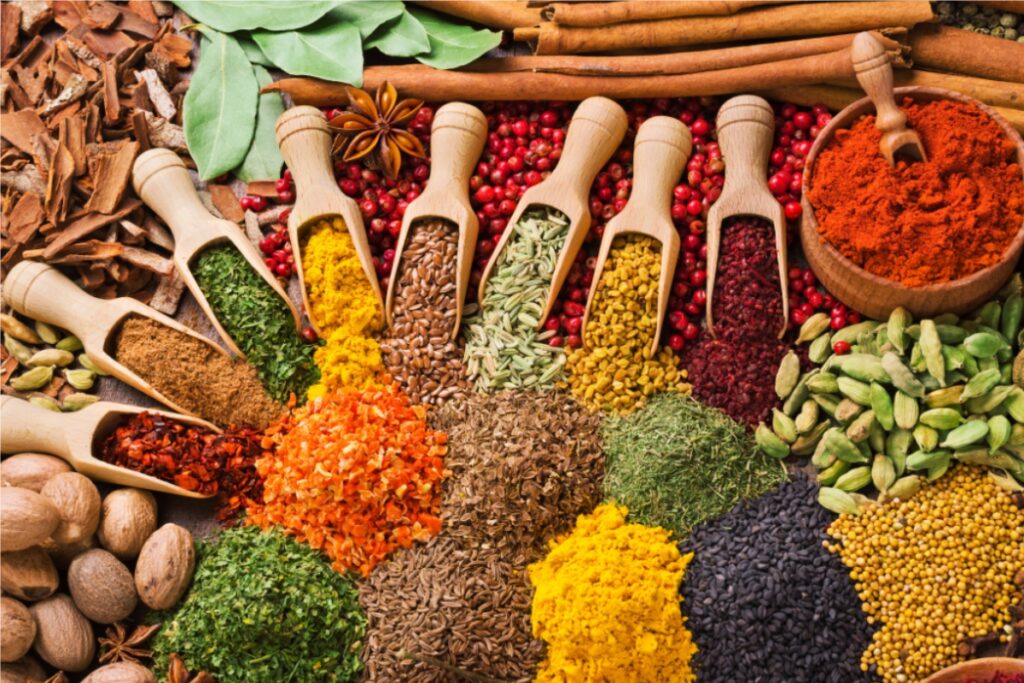
Spices aren’t just about their beautiful colors or bold flavors; they hold a world of health benefits and therapeutic potential. When used in the right amounts, spices can not only transform your meals but also support your overall health and immune system.
The world of spices is far too fascinating to stick to just a handful of familiar ones in your everyday recipes. So next time you’re shopping, try something new, explore different combinations, and enjoy discovering fresh flavors along with their amazing benefits.